.png ?>)


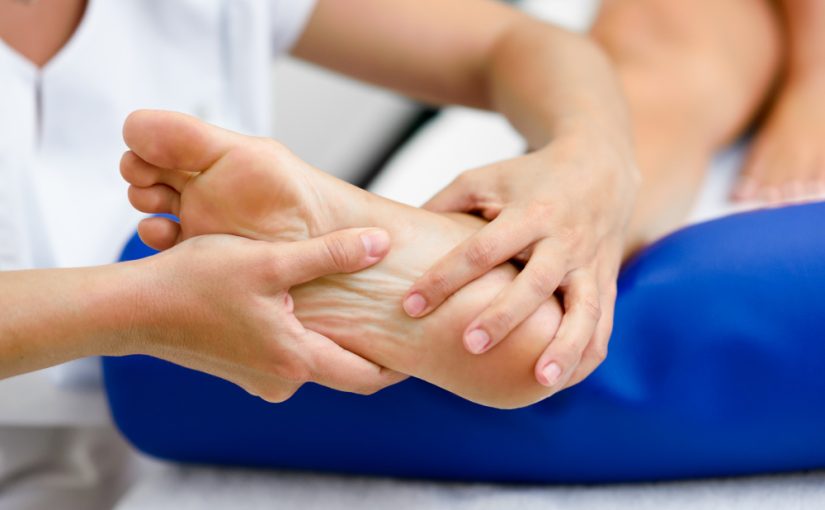
Foot pain can quietly take over your daily life making it uncomfortable to walk, exercise, or even stand for long periods. One of the most common causes of heel and foot pain is plantar fasciitis, a condition that affects people of all ages, especially those with active lifestyles, standing jobs, or underlying health conditions like diabetes. Understanding plantar fasciitis and knowing how to manage it effectively can help you step back into a pain-free routine.
What Is Plantar Fasciitis?
Plantar fasciitis takes place when a thick band of tissue, the plantar fascia, which connects the heel bone to the toes, gets inflamed or irritated. This tissue serves as support to the arch of your foot and provides shock absorption as you walk. Constant stress or strain on this band of tissue on a daily basis can cause small tears in it, leading to pain and stiffness.
The main symptom of plantar fasciitis occurs in sharp heel pain, which is most noticeable:
- When you get out of bed for the first time in the morning
- After standing in one position for a long period of time
- When you stand up after sitting down for a long time
- After doing any type of intense physical activity.
Common Causes and Risk Factors
There are a number of reasons that can cause an increased risk for developing plantar fasciitis, including:
- By standing/walking on hard surfaces or for an extended period of time.
- Wearing ill-fitting or worn out shoes.
- High-impact activities, such as running and jumping.
- Having flat feet or having high arches.
- Being overweight or gaining weight rapidly.
- Having tight calf (gastrocnemius) or Achilles tendons.
- Having diabetes or poor circulation in the feet.
If you are having difficulty with plantar fasciitis, contacting the Best Foot and Ankle Specialist Gujarat may be able to assist you in identifying the reason for the problem and developing a suitable treatment regimen.
Early Signs You Shouldn’t Ignore
One of the most important factors in treating plantar fasciitis is to recognise the early signs of the condition and to seek an effective diagnosis and treatment. The longer you wait to get help, the worse your overall condition becomes. Look for these symptoms:
- Chronic heel pain (lasting more than a few weeks)
- Pain that goes away with activity/exercise but returns afterwards
- Swelling or tenderness around the heel
- Inability to walk barefoot
An appointment with a specialist should result in a diagnosis and treatment plan designed to provide the best possible outcome based on your individual needs.
Effective Treatment Options for Plantar Fasciitis
It is also important to seek early intervention for plantar fascia thus maximising recovery time while minimising long-term damage.
If treatment is initiated early during the acute phase of plantar fasciitis, then it is likely that the condition will respond quickly to conservative (non-surgical) measures. A specialist can recommend one or more of the following forms of conservative treatment:
Non-Surgical Treatments
Rest/Activity Modification
Ice therapy to reduce inflammation
Stretching of the foot and calf muscles
Wearing supportive shoes and using orthotics
Over the Counter Anti-Inflammatory Medications
Night splints to maintain foot alignment
Advanced Care Options
If there is no improvement with conservative treatment options; more advanced treatment options include the following:
- Physiotherapy/Guided Rehabilitation
- Shockwave Therapy
- Corticosteroid Injections if necessary
Having an experienced specialist develop an individualised treatment plan will provide the quickest resolution of your symptoms and decrease the chance of re-aggravating the condition in the future.
Daily Habits That Promote Healing
Small changes in one’s lifestyle could bring about big changes in recovery and prevention of such problems.
- Wear shoes with cushioned, supporting arches
- Never walk barefoot on hard surfaces
- Perform regular stretching exercises for calves and feet
- Maintain ideal body weight
- Increase activity gradually
Consistent application of these tips will help promote healthy feet in the future.
Special Considerations for Diabetic Patients
Diabetics should always take extra precautions when dealing with any kind of foot pain. Lack of feeling and decreased blood circulation are just some of the factors that make the recovery process longer. One should always be mindful of heel pain if they have diabetes as they may lead to ulcers and even infection.
Seeing the Best Diabetic Foot Doctor in Gujarat would be beneficial for a comprehensive assessment.
Prevention Is Better Than Cure
Prevention may be simpler than cure when it comes to plantar fasciitis. These basic preventive measures are:
- Using the right kind of shoes when performing various activities
- Replacing old shoes on time
- Performing warm-ups before any exercise
- Gradual increase in activity
- Treating any discomfort felt in the feet
- Periodic visits to a podiatrist can aid in diagnosing problems.Regular checkups with a foot specialist help detect problems before they become severe.
Conclusion
Plantar fasciitis is not only extremely painful, but also very restricting however with timely intervention and proper guidance plantar fasciitis can be managed very effectively. Proactive steps can help regain both comfort and the ability to walk freely through lifestyle modifications and various treatment options. Whether you are an athlete, someone who works standing all day or an individual with diabetes, expert foot care will help you lead an active lifestyle without pain. Listen to the experts’ advice, pay close attention to your body, and take the appropriate steps toward healthier feet.
Frequently Asked Questions:
1. How long will it take for plantar fasciitis to heal?
Ans- Most cases resolve in a matter of months when treated appropriately.
2. Is walking beneficial or harmful to plantar fasciitis?
Ans- Limited amount of walking with support will help relieve some pain; excessive amounts of walking will cause more pain.
3. Once I’ve been treated for plantar fasciitis, will I experience plantar fasciitis again in the future?
Ans- Yes, plantar fasciitis can return if you do not wear the appropriate footwear and follow preventive measures.