.png ?>)
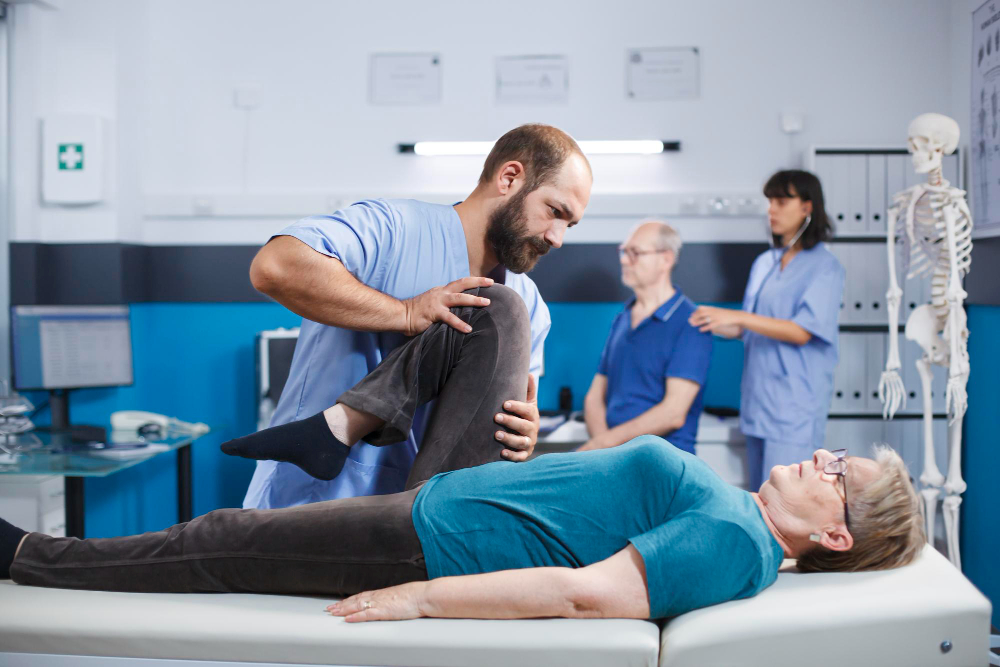


Orthopedic health is essential for staying active, moving about, and feeling good throughout one’s entire lifetime. If you have foot pain when walking, if your ankle hurts upon getting injured, or if you have any chronic joint issues, seeking quick medical advice can help avoid more serious complications in the future. When you speak to a best foot and ankle specialist in Gujarat, they can determine the underlying cause of your problem and provide you with the appropriate medical care to ensure you continue to be able to perform your everyday activities. The understanding of the importance of orthopedic care is the first step toward healthy bones, joints, muscles, and ligaments.
Orthopedic Care: Why It Matters
Orthopedic care focuses on diagnosing, treating and preventing conditions involving the musculoskeletal system; that is, bones, joints, muscles, tendons, ligaments, feet and ankles. Since our feet and ankles support the full weight of the body, problems with these areas may cause minor issues to develop into major painful problems that limit the ability to perform everyday activities.
Prompt diagnosis allows the physician to treat problems before they progress to a point of being more difficult to treat, thus assisting patients to recover more quickly and resume their normal routines more quickly.
Common Foot and Ankle Problems
Foot and ankle disorders can afflict everyone regardless of age. Some may develop gradually due to repetitive use, while others may occur as a result of injury or medical condition.
Some examples of common orthopedic foot and ankle condition are:
- Heel Pain
- Plantar Fasciitis
- Ankle Sprains
- Flat Foot Structure
- Bunions
- Achilles Tendon Injury/Pain
- Stress Fractures
- Arthritis of the Foot or Ankle
If these symptoms do not get addressed, the condition will only worsen, and it may create a more serious problem over time.
Signs You Should Visit an Orthopedic Specialist
You shouldn’t suffer with pain from your feet and/or ankles; you think it will go away by itself, but it often suggests that something is wrong and needs medical help.
You should see a doctor or other specialist if you have:
- pain for longer than a couple of days
- unable to walk or stand due to pain
- swelling around your foot or your ankle
- restricted motion of the joints of your foot or your ankle
- repeated injury to your ankle
- numbness or tingling in your feet
By obtaining treatment in a timely manner, you can reduce the chance of making your condition worse and improve the chance of having your recovery be successful.
Diagnosis and Evaluation
The orthopedic doctor will review your medical history and exams that you have been given. They will conduct a physical examination to see how strong and flexible you are, any swelling or tenderness in the area of concern, and how well you can move it.
Depending on your disorder, diagnostic tests may be needed as follows:
- X-ray
- MRI scan
- CT scan
- Ultrasound scan
Blood tests (if there is a possibility that you have an infection or arthritis).
Having an accurate diagnosis will lead to better treatment options for you and your specific condition.
Treatment Options for Foot and Ankle Conditions
How it will be treated depends on how serious the problem is and what caused it. If an orthopedic condition is diagnosed early, many times surgery will not be needed.
Here are a few examples of the types of treatments that would be available:
Rest and Activity Modification
Lessening the stress on the foot or ankle will allow the injured tissue to heal on its own.
Physical Therapy
Therapeutic exercises will help to strengthen the muscles, increase flexibility, and return balance to help the patient recover safely.
Medications
During the healing process, the physician will sometimes prescribe medications to help with the pain and swelling, and also, to help with the healing.
Orthotic Devices
Custom inserts for shoes or braces will provide additional support and alignment; they can also help to lessen the discomfort while walking.
Surgical Treatment
Surgical treatment may be performed for severe fractures, tendon tears, or advanced joint issues, if you did not have luck with conservative or non-surgical treatments.
Maintaining Healthy Feet Every Day
Preventing foot and ankle problems is easier than treating them. Simple daily habits can significantly improve long-term orthopedic health.
Some helpful tips include:
- Wear properly fitted footwear.
- Maintain a healthy body weight.
- Stretch before exercising.
- Avoid walking barefoot on uneven surfaces.
- Stay physically active.
- Address minor injuries promptly.
These practices help reduce stress on the joints and lower the risk of future injuries.
The Importance of Early Medical Care
When you delay getting treatment for your orthopedic condition, even a minor one can become worse and develop into something much more severe condition than it originally was. If you obtain medical treatment as soon as possible after your injury, this will lead to shorter recovery times, less pain, and more positive outcomes in the future.
If you have any risk factors (e.g., being an athlete, being an older adult, or having diabetes or arthritis) you are at a greater risk of developing foot and ankle problems. Having routine orthopedic check-ups can be very helpful in detecting any problems as well as providing proper treatment.
Living an Active and Pain-Free Life
Your feet and ankles are the foundations of your body’s activity; therefore, it is important to practice good orthopedic care so that you can continue to live a healthy, active lifestyle. Through good orthopedic care, you are able to maintain your independence, as well as your ability to do the activities you enjoy.
Following your doctor’s recommendations, completing rehabilitation exercises, and wearing appropriate footwear can lead to a more successful recovery and better long-term joint health.
Conclusion
Proper foot care is crucial to keeping your feet, ankles, and mobility in great condition. Early recognition of signs and symptoms and then seeking a doctor’s professional advice may save you from having complications later on and also enhance your overall well-being. Consulting with the Best Foot & Ankle Doctor in Gujarat to receive an accurate diagnosis will allow you to have individualized treatment so that you can get back to doing what you love to do comfortably and confidently.
Frequently Asked Question:
1. When should I reach out to an ortho specialist about having pain in my feet/ankles?
Ans- If your pain persists for an extended amount of time (more than a couple of days) or if the pain increases with activity and/or if there is swelling and/or difficulty walking, then you should speak with an orthopedist.
2. Is it possible to treat foot/ankle issues without undergoing surgery?
Ans- There is definitely potential to treat many foot/ankle issues through conservative means such as rest, PT, medications, orthotics, lifestyle changes, etc. An orthopedist would typically opt for surgical treatment options only when there is severe or complex case involved.
3. What are some ways to help avoid common foot/ankle injuries?
Ans- You can help avoid common foot/ankle injuries by wearing appropriate supportive shoes, maintaining a healthy weight, doing warm-ups prior to exercising and getting immediate care for any minor injuries.