.png ?>)
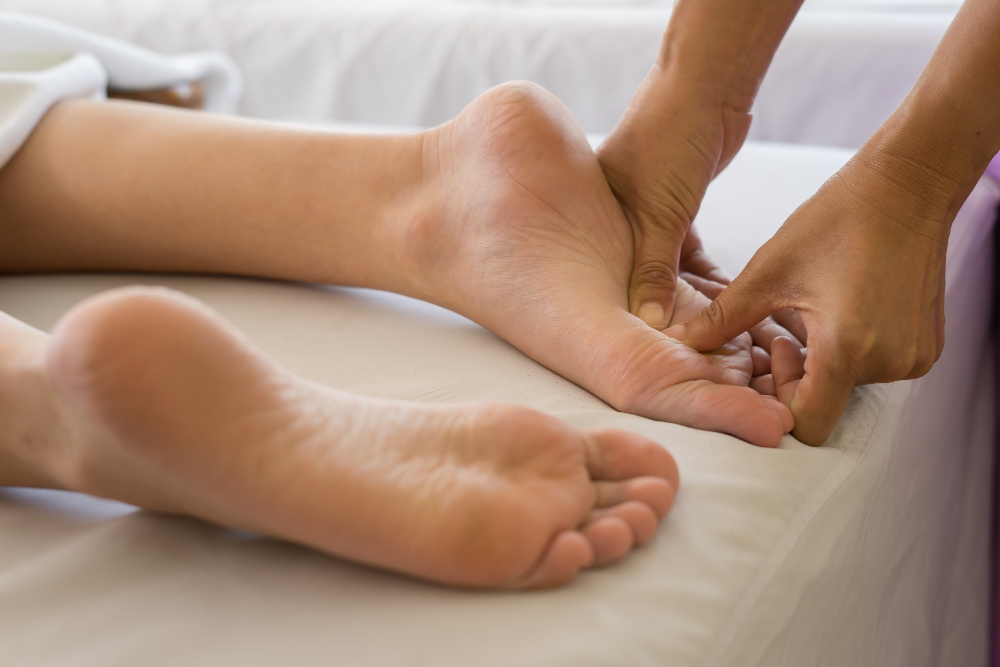

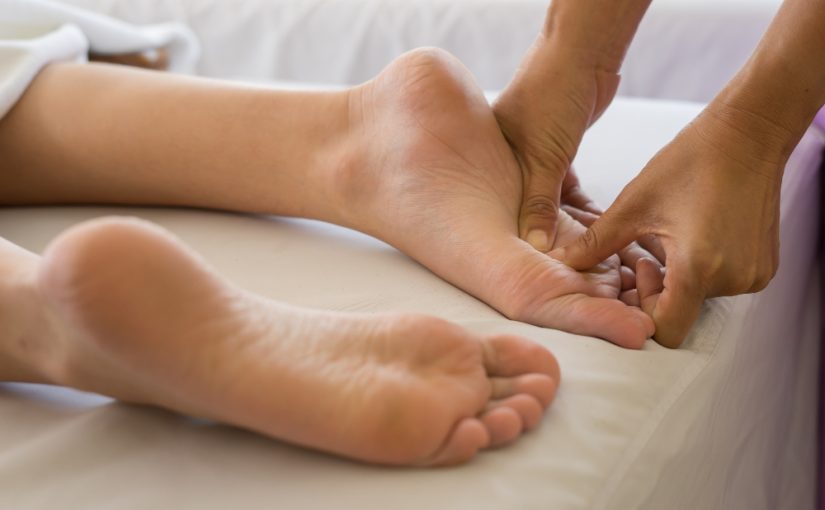
When it comes to dealing with diabetes, it’s very important to manage blood sugar levels, keep a healthy diet, and be active. However, one crucial item that is not thought of until something goes wrong is taking care of the feet.
Diabetes can lead to nerve damage (peripheral neuropathy) and poor blood circulation (peripheral arterial disease) which when together becomes dangerous. A person might endure some minor injury, be it a small cut, blister, or scratch, and be unaware of it due to damaged nerves. The same injury will remain untreated for a long period of time because of poor circulation. Such relatively inconspicuous scratches can transform into big ulcers, infections, or amputations. It is important to visit the best Diabetic Foot doctor in Gujarat.
Fortunately, most issues associated with the feet can be easily avoided with the help of certain rules of care for diabetic feet.
1. Check Your Feet Visually for One Minute Every Night
Don’t assume that everything is well with your feet because they do not hurt. Make it a habit that you do every night—inspect your feet properly before going to bed every night. Look for any blisters, cuts, redness, swelling, scratches, punctured skin, and ingrown nails.
- The Pro-Tip: If you can’t bend enough or see the bottoms of your feet well, you can use a mirror placed on the floor in front of your feet or ask a friend or family member for help.
2. Stop Using Bar Soap—Wash Your Feet Carefully and Dry Them Properly
Hygiene is very important, however, the way you wash your feet is also important. Wash your feet in warm water with the help of a good moisturizing soap every day. Hot water will cause harm since the skin of a diabetic patient may not feel it.
- The Very Important Stage: Do not soak your feet for a long time because soaking may dry out your skin and cause damage. After finishing washing, pat your feet dry using a soft towel.
3. Daily Moisturizing, But Keep the Toe Dry
Neuropathy might damage the nerves that are responsible for regulating oil and moisture in your feet, resulting in excessively dry, peeling, or cracking skin. You need to apply a deep moisturizing lotion or urea-based cream on the top and bottom part of your feet on a daily basis to keep its elasticity intact.
- The exception is: You should avoid using lotion between your toes. Extra moisture in the tight spaces will soften and break down the skin, thus inviting bacteria and fungi.
4. Trim your toenails in straight manner—never curve them
Ingrown nails are among the foremost causes of foot infections among diabetics. While cutting your nails, trim them straight using clean nail clippers. Do not round the corners or dig into the sides of your toes. You can use emery board or nail filers to gently shave away sharp edges of your nails.
- Safety comes first: If your nails are thick, yellow, or hard to reach, do not attempt to trim them yourself. Seek the help of a podiatrist or a specialized diabetic foot clinic.
5. Wearing Shoes Is a Must for Diabetics
For diabetics, it is a strict rule to always wear shoes. Going barefoot is something to avoid, because even the smallest object can cause a pen knife in patients with diabetes. It is important to have a special pair of shoes that you can keep next to your bed.
6. Check Your Shoes before Putting Them on
Before you slip your feet into your shoes, make sure to tip them upside down and see if there is anything in them. Some shoes might contain unwanted elements like pebbles, coins, paper clips, and rough seams which are likely to cause friction and discomfort. Without even realizing it, diabetics can experience discomfort from an object in their shoes for hours, resulting in severe ulcers.
7. Avoid Seams: Opt to Wear Diabetic Socks
Normal socks are typically made with thick elastic bands that may hinder blood flow and conventional seams at the toe might be in contact with the skin and cause irritation. Instead, opt for seamless diabetic socks which absorb moisture and have a gentle top that doesn’t limit blood flow and cushioned sole which makes your steps comfortable and frictionless.
8. Look For Proper, Diabetic Shoes
Shoes should never require any breaking in. When buying shoes, make sure they have a well-structured toe box that is wide and deep enough for the toes to breathe. Avoid high heels, pointed shoes and regular flip-flops that have poor levels of structural support.
- Shopping Tip: Buy shoes in the late afternoon or evening when your feet are slightly bigger.
9. Do Not Engage in ‘Bathroom Surgery’ for Your Corns and Calluses
Corns and calluses can harden and build up in pressure spots on the bottoms of your feet, which can eventually turn into deep ulcers underneath. Do not attempt to remove the corns or calluses yourself nor use any commercial chemicals like corn removal patches that use acid to eat away the skin. This acid may also burn the healthy tissue on a diabetic’s foot. Take your foot to a doctor who has the right equipment and training to have the corns or calluses properly removed.
10. Take Immediate Action at Any Signs of Injury
There is no more ‘waiting to see if it gets better’ when it comes to diabetic foot care. If you see a blister, discoloration, discharge, or skin that feels very hot, get in touch with your doctor or a diabetic foot doctor immediately. In fact, early intervention can make all the difference in turning a minor incident into a serious problem requiring extensive wound care or surgical intervention.
Conclusion: The Importance of Partnership
Your feet are what help you through life, and if you have diabetes, they need partnership in taking action. Alongside following these 10 golden rules, ensure that your doctor checks your feet during every checkup. By keeping your blood glucose in check and being mindful about your daily foot care, you can take charge of your health, your moves, and your freedom.
Frequently Asked Question:
Q1: How does diabetes affect the feet?
A1: Constant high blood sugar levels damage nerve endings (neuropathy), which leads to loss of feeling, and impairs blood flow which makes it extremely hard for the body to heal minor injuries.
Q2: How can I check my feet if I cannot bend down?
A2: You can make use of a shatterproof mirror kept on the floor to see how your feet look or you can ask a friend to do a check on your feet for you.
Q3: Is it safe to soak my feet in hot water?
A3: No. Nerve damage leads to not feeling hot water hence burns can occur. It is better to use lukewarm water for washing instead.
Q4: Why can I not apply lotion between my toes?
A4:
informs that the presence of lotion in the area creates moisture which leads to skin breakdown and makes it easy for fungi and bacteria to create infections.