.png ?>)

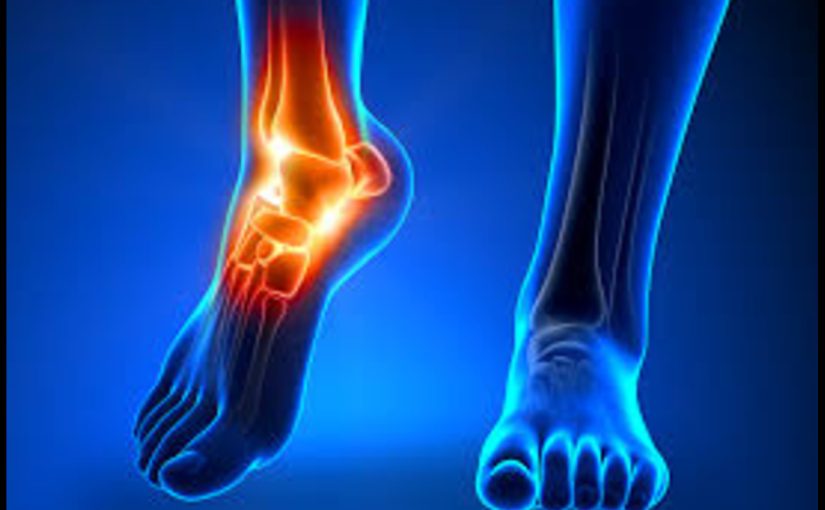
Keeping your feet and ankle healthy is important for you to stay mobile, balanced, and active. Your feet and ankles carry the weight of your whole body when you walk, exercise, work, or do the everyday things we all do. If you hurt your feet or ankles, or if you are diagnosed with a condition that affects your foot or ankle, even simple tasks can become hard to do and very uncomfortable. By getting prompt treatment from a Foot and Ankle Specialist in Gujarat you can recover quickly, avoid pain and begin to feel comfortable doing your regular activities again.
Foot and ankle problems can affect people of all ages. Athletes, professionals, older adults and even children may develop foot and/or ankle problems that necessitate both accurate diagnosis and treatment. Today’s technology allows for there to be both surgical and non-surgical methods available to meet the needs of restoring mobility and long-term foot health.
Common Foot and Ankle Problems
A number of factors can have an impact on your feet and ankles, leading to pain, swelling, stiffness, and/or trouble when you walk. Some foot and ankle issues develop over an extended period of time, while others happen suddenly because of injury or accident.
Some of the most common issues with the foot and ankle are as follows:
- Heel pain
- Ankle sprains
- Flat feet
- Plantar Fasciitis
- Achilles Tendon Injuries
- Bunions
- Arthritis
- Sports injury
- Fractures and ligament damage
- Complications from diabetes
Failure to get treatment for these conditions can lead to more serious issues and increase your risk of long-term mobility issues.
Importance of Early Diagnosis
Finding the right diagnosis in a timely manner is essential to the successful treatment and recovery of foot and ankle disorders. Foot and ankle disorders can be managed with medications, physical therapy, supportive shoes, or lifestyle changes. If treatment is delayed, it may lead to severe pain, damage to the joints, or additional complications from surgery.
Some of the common advanced diagnostic methods used by doctors include:
• MRI
• CT Scans
• Ultrasonography
• Gait Analysis
These diagnostic methods help the doctor understand what caused your pain and determine the best way to treat you for your pain.
Non-Surgical Treatment Options
Not every instance of illness/injury/injury to your ankle/foot requires surgical repair to heal. Many individuals will successfully recover with conservative care.
Physiotherapy
Your physiotherapist will help you regain your flexibility, strength, and range of motion while helping to reduce pain and stiffness.
Orthotic Support
Custom–fit shoe inserts and supportive shoes make it easier for you to walk by alleviating some of the weight off of the painful area.
Medications
Over–the–counter anti–inflammatories or pain relievers (Tylenol, Motrin) can help you relieve some of the swelling and pain.
Lifestyle Modifications
Maintaining your optimal weight, minimizing standing time, and doing regular stretching exercises can all be very beneficial for your foot health.
Maintaining your optimal weight, minimizing standing time, and doing regular stretching exercises can all be very beneficial for your foot health.
Advanced Surgical Treatments
Surgical repair may be an option for those who have not had success with conservative treatment options; however, many modern surgeries will help patients improve mobility and minimize recovery time and complications.
Some common examples of surgical procedures are:
- Ligament reconstruction
- Fracture fixation
- Arthroscopy
- Tendon repair
- Fixation of the flat foot
- Total joint replacementMinimally invasive and/or advanced technology help to speed healing in patients in a less painful manner, thereby allowing them to return to their prior functional activities more rapidly.
Foot and Ankle Care for Athletes
Athletes of all types, from the casual weekend warrior to the competitive athlete, put a tremendous amount of stress on their feet and ankles through the sports they play. This can lead to various injuries such as sprains, ligament injuries, stress fractures, and tendon injuries.
- By getting professional treatment, athletes can:
- Safely recover from their injury
- Increase strength and flexibility
- Reduce the chance of sustaining a future injury
- Return to their sports with confidence
Physical therapy and proper rehabilitation are key components to maintaining an athlete’s long-term performance and preventing injury.
Diabetic Foot Care Importance
Diabetes increases your likelihood of experiencing severe problems with the feet due to issues with blood flow to the feet as a result of damage to the nerves in the foot. If you do not seek treatment for small injuries or infections, they can quickly become major health issues.
By having regular foot check–ups, using appropriate shoes to wear, and accessing medical assistance in a timely manner, you can reduce your chances of experiencing an ulcer, infection or other serious complications with your feet. Patients with diabetes should not ignore swelling, redness, loss of sensation or any wounds that occur on their feet.
Rehabilitation and Recovery
Successful recovery after foot or ankle treatment requires time and effort to regain mobility and comfort. If you participate in rehabilitation programs, you can improve your strength, flexibility, and balance gradually over time.
- Recovery programs may include:
- Exercises under coach supervision
- Physical therapy
- Balance training
- Walking support programs
- Muscle strengthening exercises
You will be able to have a better recovery and prevent sustaining any further injuries if you follow your doctor’s recommendations properly.
Maintaining Healthy Feet and Ankles
Foot and ankle health can be better protected by having preventive care (i.e., preventative practices and programs). Preventative measures (such as maintaining a healthy lifestyle) may also provide individuals a decreased risk of injury and chronic pain.
Some important tips for maintaining proper foot care include:
- Wear proper fitting and supportive shoes
- Maintain a healthy body weight
- Always stretch prior to exercising
- Avoid going barefoot on hard surfaces
- Maintain proper posture while standing or walking
- See a physician if you have ongoing pain
The simple steps outlined above will assist you in having greater mobility and increase comfort in general.
Choosing the Right Specialist
An experienced specialist is critical to ensuring an accurate diagnosis and treatment success. The Best Foot and Ankle Specialist in Gujarat is focused on providing high-quality, personalized care, utilizing state-of-the-art treatment technologies, and providing patients with the necessary support for long-term recovery from their foot and ankle conditions.
Professional specialists will assess each patient’s Nature of Injury as well as recommend appropriate treatment based on a variety of factors such as your lifestyle, level of activity, and overall health.
Conclusion
In order to have healthy feet and ankles it is important to receive timely diagnosis, receive advanced treatment, or participate in a rehabilitation program; all three factors are instrumental in maximizing the effectiveness of managing foot and ankle-related problems. When a person suffers from a sports injury, chronic pain, trivial or diabetic feet injury or pre-existing medical conditions, it is beneficial to seek treatment from a qualified professional; you will experience improved mobility and therefore will have improved overall quality of life.
In addition, the Best Foot and Ankle Doctor in Gujarat will work with you to develop a treatment plan that meets your needs and gives you the best opportunity to achieve long-term relief from symptoms and to return to an acceptable level of mobility.