.png ?>)
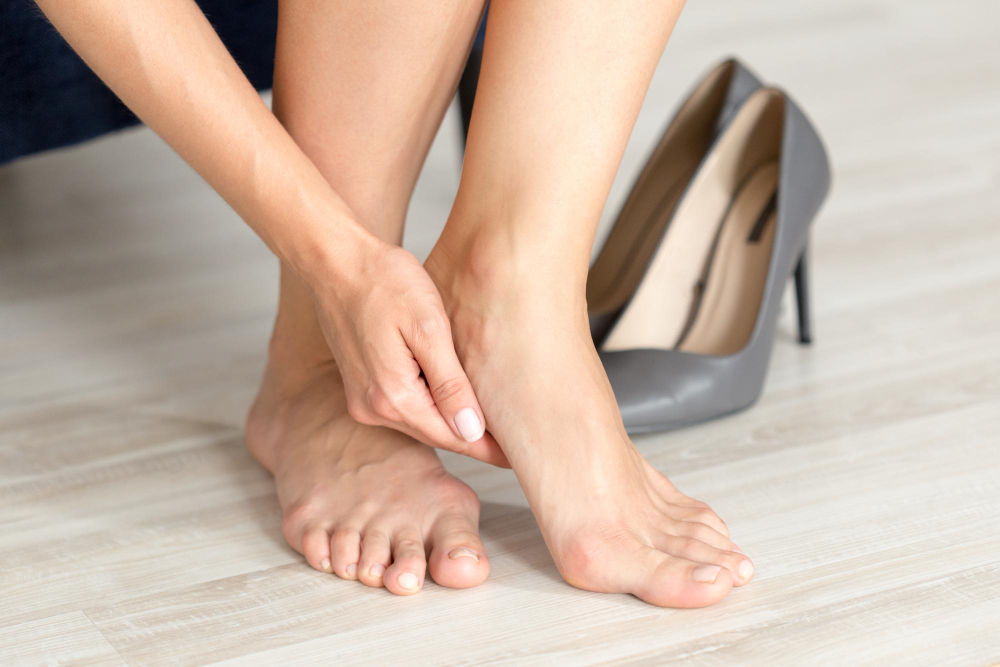

Ignoring lingering foot pain might seem harmless when you are trying to push through a busy day, but brushing off minor discomfort in your feet or ankles can have far-reaching consequences. Our feet serve as the primary foundation for the entire body, absorbing hundreds of pounds of force with every step we take. When pain alters the way your foot meets the ground, your body naturally adapts to protect the injured area setting off a domino effect that changes your gait and compromises overall musculoskeletal health.
The Biomechanics of Gait Compensation
Your natural walking pattern (gait) relies on a coordinated sequence of movements involving the feet, ankles, knees, hips, and lower back. When a specific area of the foot hurts whether due to plantar fasciitis, Achilles tendonitis, bunions, or stress fractures your body instinctively alters how weight is distributed during movement.
This adaptive strategy is known as antalgic gait or compensatory walking. While it temporarily shields the painful structure from pressure, it shifts abnormal stress onto healthy adjacent muscles, tendons, and joints.
                  FOOT PAIN INITIATION
                           │
                           ▼
              Compensatory Gait Adjustment
          (Limping, Weight-Shifting, Overpronation)
                           │
         ┌─────────────────┴─────────────────┐
         ▼                                   ▼
[Abnormal Joint Mechanics]          [Muscle Imbalances]
 (Knee, Hip & Spine Misalignment)   (Tightness & Strain)
         │                                   │
         └─────────────────┬─────────────────┘
                           ▼
             Secondary Kinetic Chain Pain
           (Knee Osteoarthritis, Lower Back Strains)
4 Secondary Impacts of Unaddressed Foot Pain
1. Knee Alignment and Cartilage Wear
When you alter your foot strike to avoid pain, your lower leg rotates abnormally. Overpronating (rolling the foot inward) or supinating (rolling outward) forces the knee joint out of alignment. Over time, this unequal load accelerates cartilage wear, increases the risk of meniscal damage, and leads to early-onset knee osteoarthritis.
2. Hip and Pelvic Misalignment
Changes in gait stride length and foot propulsion disrupt normal pelvic motion. As one side compensates for the opposite foot’s weakness, the hips tilt unevenly. This persistent imbalance causes hip bursitis, labral irritation, and tightness in the hip flexors and gluteal muscles.
3. Lower Back Pain and Spinal Strain
The spine depends on a symmetrical base of support. An altered gait destroys this symmetry, transferring vertical impact forces directly up into the lumbar spine. What begins as a minor heel or arch issue can quickly turn into chronic lower back tightness, muscle spasms, or sciatica.
4. Overuse Injuries in Surrounding Tissues
Shifting your weight forces smaller, secondary stabilization muscles to perform heavy load-bearing work they were not designed for. This often leads to secondary conditions like shin splints, calf strains, or tendinitis in the opposite leg due to overcompensation.
How Gait Adjustments Progress Over Time
Restoring Balance with Specialized Podiatric Care
Because your feet affect the entire kinetic chain, early clinical intervention is crucial. Simply resting or changing shoes often fails to correct underlying structural abnormalities or established gait changes.
Seeking evaluation from the Best Foot and Ankle Specialist in Gujarat allows for precise diagnostic imaging, dynamic gait analysis, and custom orthotic prescription to realign your stride before secondary damage occurs.
Under the expert care of drvarunsahetia, patients receive comprehensive diagnostic evaluations and tailored treatment plans—ranging from targeted physical therapy and custom footwear modifications to advanced non-invasive therapies. Restoring correct foot mechanics eliminates pain at its source and protects your long-term mobility.
Frequently Asked Questions (FAQs)
Can ignoring foot pain cause permanent damage to other joints?
Yes. Prolonged gait compensation places asymmetrical pressure on the knees, hips, and lower spine. Over time, this abnormal mechanical stress can lead to accelerated cartilage wear, joint degeneration, and chronic postural imbalances.
How do custom orthotics help restore a natural walking gait?
Custom orthotics are crafted based on a detailed biomechanical assessment of your foot structure. They support deficient arches, redistribute pressure away from painful spots, and correct foot alignment, allowing your body to return to a balanced, natural stride.
When should I consult a foot and ankle specialist for lingering pain?
You should see a specialist if your foot or ankle pain lasts longer than two weeks, interferes with your normal walking stride, causes secondary knee or back discomfort, or is accompanied by swelling, numbness, or morning stiffness.